Load and Behold
A construction machine parked behind a fence can seem simple to move until someone measures the turn out of the yard. Older lots and narrow access roads make Wilkes-Barre heavy transport a planning job before it becomes a hauling job.Take a peek at hew we get it done.
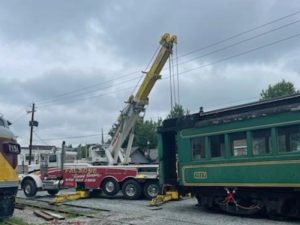
The Route Usually Decides Everything
Before we hook to a trailer, we spend time looking at road width, bridge limits, railroad crossings, fuel stops, and places where traffic backs up during the workday. A heavy vehicle headed through Wilkes-Barre can lose an hour fast around downtown construction or tight industrial roads near Hanover Township. Some loads also need escort vehicles, permit checks, or utility coordination if the height gets close to overhead lines.
We also ask a lot of questions about the cargo itself. A steel tank shifts differently than a farm tractor, and a long piece of construction equipment can drag at steep entrances if the trailer angle is wrong. More than once, we have shown up and found loose chains, low tires, or cargo sitting too far forward on the deck. Fixing those issues early keeps the rest of the day from turning into a mess.
Weather Can Slow Down a Good Plan
Winter changes the pace of heavy hauling around northeastern Pennsylvania. A light freezing rain on I 81 can force us to change routes or delay loading for an hour until road crews clear ramps and overpasses. Drivers hauling oversized equipment through the Wyoming Valley already know how fast weather shifts around the mountains.
A windy afternoon can cause problems too, especially with taller freight. We have had jobs where the actual drive took less time than securing tarps and checking straps again before departure. People outside the industry usually expect loading to happen in ten minutes. It rarely works that way.
Loading Takes Longer Than Most Customers Expect
A lot of Wilkes-Barre heavy transport delays happen before the trailer even leaves the lot. Customers sometimes schedule pickups without measuring gate openings or checking ground conditions around the loading area. Mud, broken pavement, and soft gravel can stop a heavy trailer from lining up correctly.
There are a few things we usually look for before moving forward with Wilkes-Barre heavy transport work:
- Trailer access with enough turning space
- Accurate dimensions for the load
- Tire condition on equipment being pulled onto the trailer
- Weight distribution from front to rear
- Clearance around docks, fences, and parked cars
Most Wilkes-Barre heavy transport calls involve at least one last minute adjustment. Somebody moves a dumpster into the loading zone. A machine leaks hydraulic fluid halfway up the ramps. A customer realizes the delivery site closes earlier than expected. Those small details decide how the rest of the haul goes.
Timing Matters More Than Speed
Heavy hauling schedules usually get built around traffic and customer access windows instead of pure driving time. We would rather leave at 4:30 in the morning than sit with oversized freight in backed up afternoon traffic near Scranton. A slower trip with fewer stops usually keeps the load in better shape.
Fuel stops also take planning with Wilkes-Barre heavy transport work. Some truck stops simply do not have enough room for a stretched trailer and escort setup, especially once snow piles build up during January. Drivers remember those spots because getting boxed in with oversized freight ruins a day quickly.
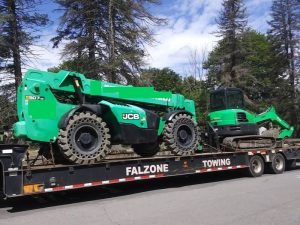
How Falzone Towing Handles Wilkes-Barre Heavy Transport Calls
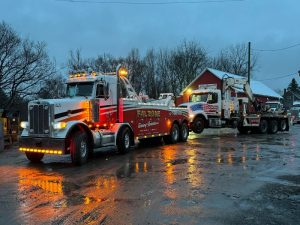
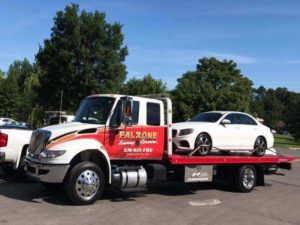
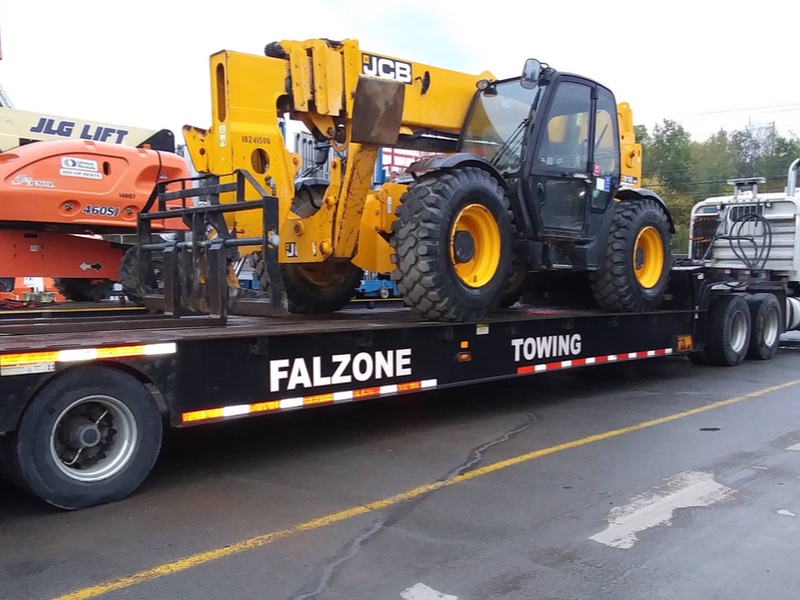
At Falzone Towing, most Wilkes-Barre heavy transport jobs start with photos, dimensions, and a conversation about timing instead of price. We move construction equipment, industrial machinery, disabled trucks, and freight that cannot fit on a regular rollback. Some jobs stay local around Wilkes-Barre while others head across Pennsylvania or into New Jersey and New York.
We still see plenty of heavy transport calls tied to weather, old industrial properties, and crowded loading areas around Luzerne County. A driver misses a turn near an older warehouse. A piece of equipment sits longer than expected because rain softened the ground overnight. That kind of thing stays common around here, especially once winter starts settling into northeastern Pennsylvania.
FAQs
What permits are usually needed for oversized loads?
Permit requirements depend on weight, width, height, and travel distance. Some loads only need a state permit, while others require escorts or utility coordination. Timing also matters because certain roads restrict oversized travel during busy hours.
How long does it take to plan a large equipment move?
Simple jobs can come together in a few hours. Bigger moves sometimes take a day or two because routes, bridge limits, and loading access need review first. Weather can slow things down too.
Can heavy equipment be moved in bad weather?
Sometimes, but conditions have to make sense for the load. Ice, strong wind, or heavy rain can delay transport because taller or wider freight becomes harder to control. Drivers may also wait for road crews to clear highways before leaving.
What causes delays during loading?
Ground conditions create a lot of problems. Soft gravel, mud, or uneven pavement can stop trailers from lining up properly. We also see delays from dead batteries, leaking hydraulics, or equipment that has been sitting too long.
Do transport companies inspect cargo before hauling it?
Most experienced operators do a full walkaround before moving anything. They check tires, chains, dimensions, and balance across the trailer. Small issues caught early usually save hours later in the trip.
Why do some loads travel very early in the morning?
Traffic is easier to manage before rush hour starts. Drivers also get more room to make wide turns or move through construction areas. Some routes only allow oversized freight during certain hours of the day.